Dutch bike infrastructure: Guide to high usage
"Increasing physical activity is a public health 'best buy,' and cycling is a 'highly suitable activity' for this purpose."
Dutch cycling infrastructure supports a culture where bicycles serve as a primary mode of transport, making it the second-most common way people move through the country.
This guide explores the distribution of trips, the importance of segregated paths, and the safety implications of modern road usage. Key takeaways include the high modal share of cycling, the prevalence of segregated tracks, and the specific risks at junctions.
How does the Dutch bike infrastructure support daily travel?
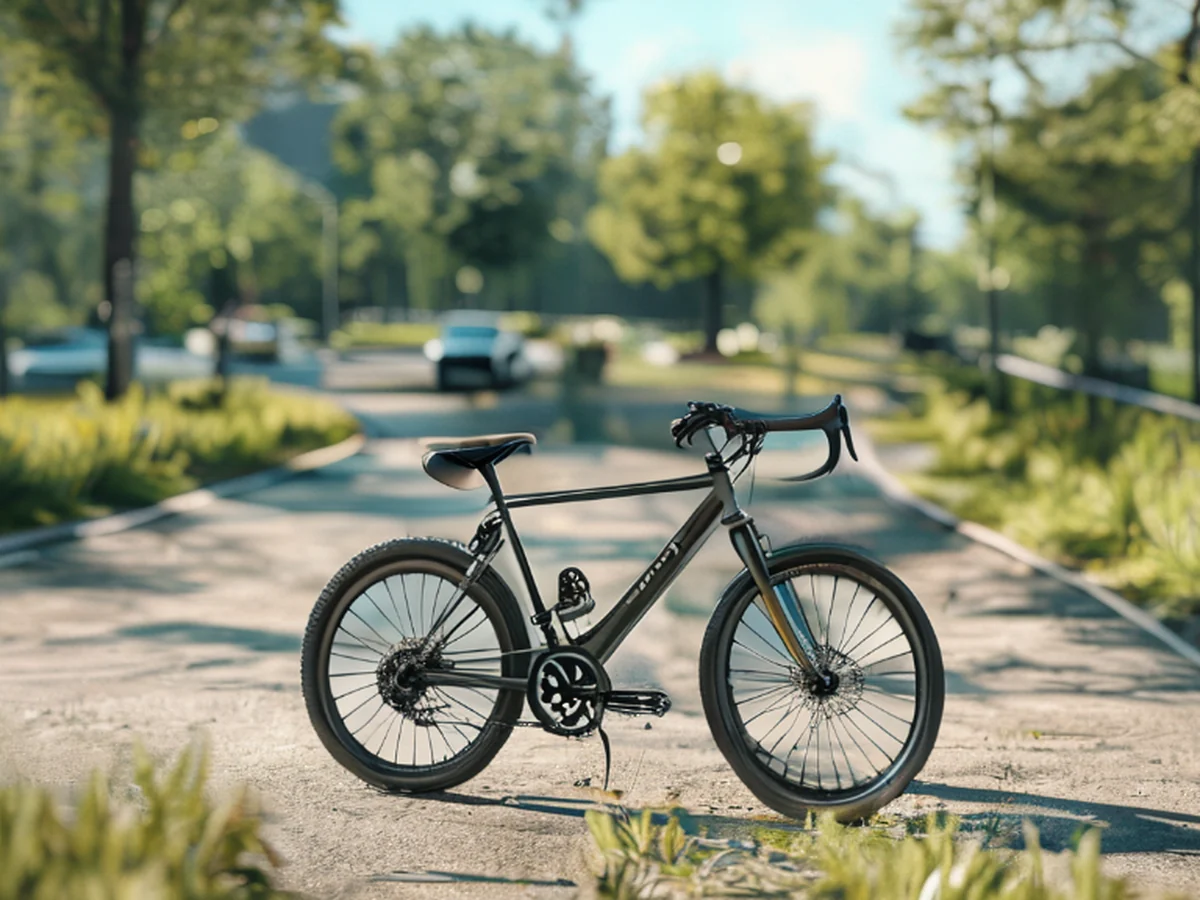
A resident pedals through a quiet neighborhood, transitioning smoothly from a residential street to a dedicated lane. This seamless transition is a hallmark of the Dutch bike infrastructure, which facilitates high usage across various demographics.
The current usage reflects a deeply ingrained habit where cycling serves as a vital pillar of mobility. According to the provided data, 36% of Dutch people list the bicycle as their most frequent way of getting around on a typical day.
This compares to 45% who use cars and 11% who use public transport.
This level of usage is sustained by a comprehensive network. While the national modal share of all trips stands at 27%, city-specific numbers show even higher engagement. For instance, Amsterdam reaches 38%, while Zwolle sees usage as high as 46%.
These figures demonstrate how the Netherlands cycling paths provide a reliable alternative to motorized transport.
- Designate continuous lanes that connect residential areas to commercial hubs.
- Implement seamless transitions between bike paths and main roads.
- Integrate multi-modal transit points for easy transfers.
What defines the scale of Netherlands cycling paths?
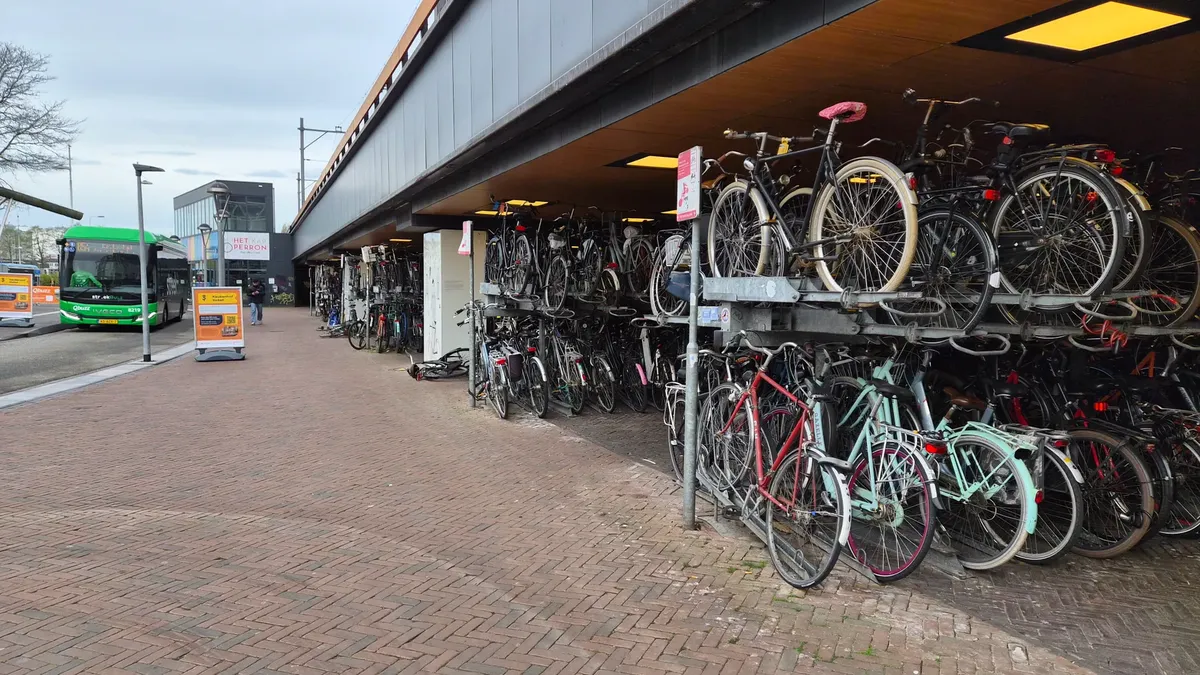
A cyclist rides along a long, smooth stretch of pavement, physically separated from the roar of passing cars. This separation is a critical component of the existing bike network design to ensure safety and efficiency.
The sheer scale of the dedicated space is significant for a country of this size. Some 35,000 km of cycle-track has been physically segregated from motor traffic. This dedicated space is equal to a quarter of the country's entire 140,000 km road network.
Maintaining this vast network requires constant attention to surface quality and signage. The presence of such extensive segregated paths allows for high-volume cycling without constant interference from heavy vehicles.
This infrastructure ensures that cycling remains a viable option for both short and long-distance trips.
In this sequence, the second step is the most extensive.
Why is cycling road usage so high among students?
A student pedals toward a school building, navigating a path that is well-traveled by peers. The high volume of young riders makes the cycling road usage particularly notable in certain age groups.
School-aged children are a major demographic within the cycling community. For secondary school students, 75% cycle to school, a figure that rises to 84% for those living within 5 km of their destination.
Even for longer distances of 16 km or over, some 8% of secondary school children still cycle to school, primarily in rural areas.
Primary school students also contribute to the active transit environment, with some 49% riding to school. While adults often accompany younger children, the habit of cycling is established early.
This early adoption is supported by the fact that Dutch motorists are trained for interaction with cyclists during their driver training.
How does the system handle bike path maintenance and safety?
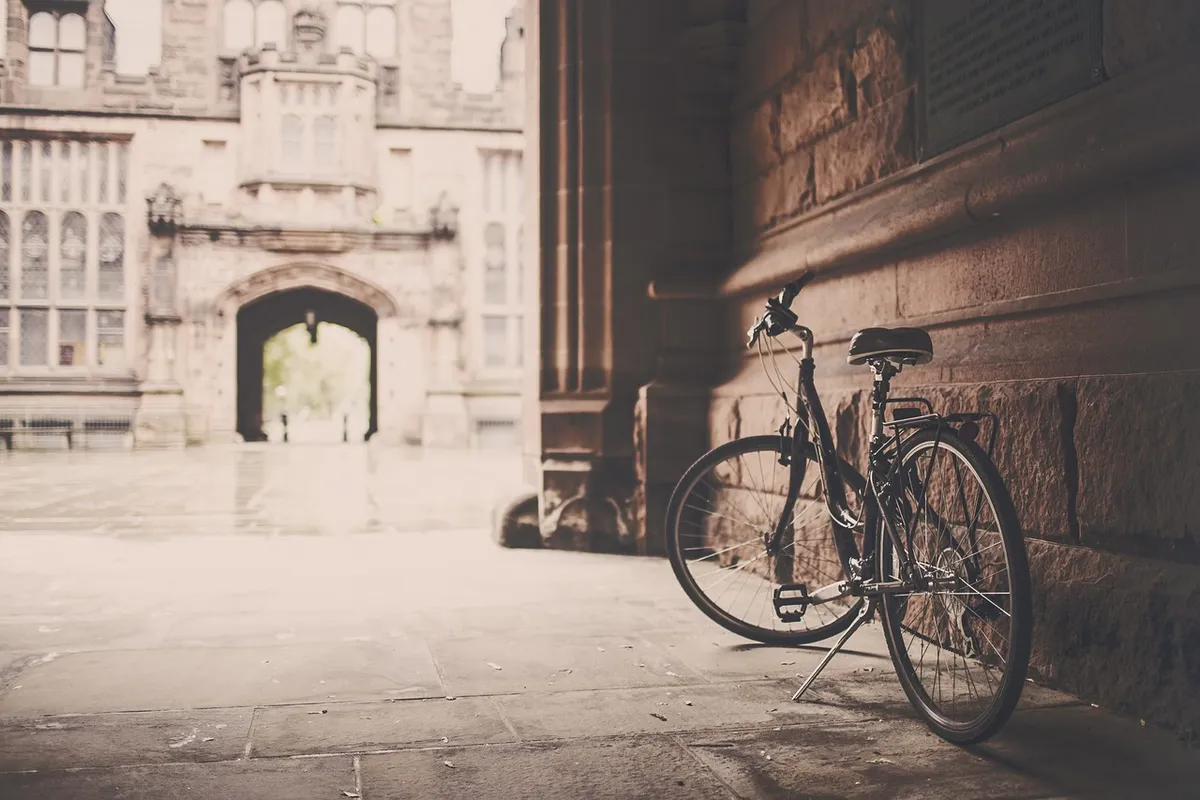
A driver approaches an intersection, carefully checking the side mirrors for approaching cyclists. This interaction is a central part of managing the risks associated with a high-density cycling environment.
Safety remains a primary concern within the cycling journey management framework. Research in 2013 showed that 60% of fatal cycling accidents took place at junctions. In two out of five of those accidents, cyclists were not given priority by the driver.
The data highlights the necessity of clear lane markings and junction design. In 2015, cycling deaths made up 30% of road deaths in the Netherlands, totaling 185 out of 621 deaths.
These statistics underscore the importance of the physical separation provided by the 35,000 km of segregated tracks to mitigate intersection-related risks.
What are the health and economic benefits of cycling?
A person arrives at their workplace, feeling energized after a morning ride. The physical benefits of such a lifestyle translate into broader societal advantages.
According to the WHO, increasing physical activity is considered a public health "best buy," and cycling is noted as a "highly suitable activity" for this purpose.
The health benefits of an active population are substantial. These benefits correspond to more than 3% of the Dutch gross domestic product. Maintaining such a high level of physical activity through cycling is considered a smart public health strategy.
The economic value is tied to the reduction in health-related costs and the efficiency of the transport system. By providing a high-quality environment for cycling, the country supports a population that is active and mobile.
This creates a cycle of health and productivity that benefits the entire nation.
How can we manage cycling journey management effectively?
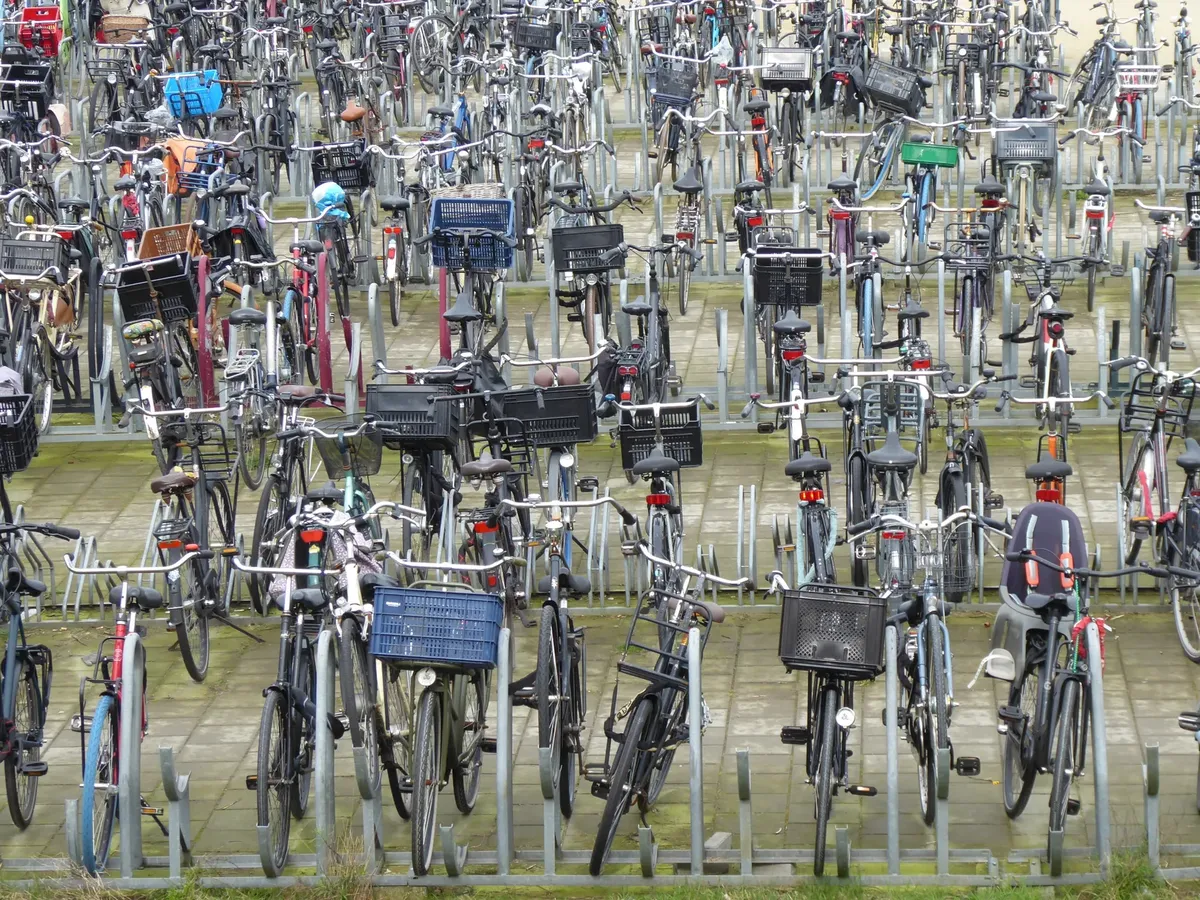
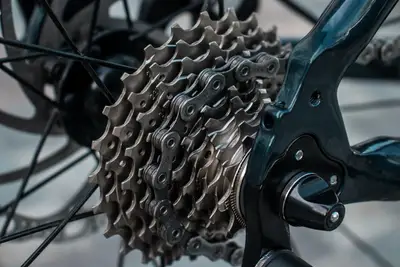
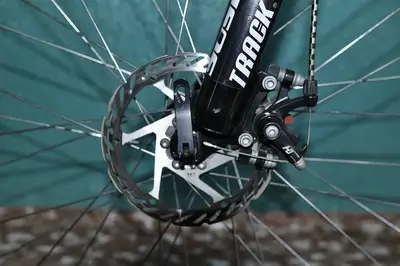
An individual checks their bicycle tires and brakes before starting a long ride. Proper preparation ensures that the user can navigate the infrastructure safely and reliably.
To maintain a safe and efficient cycling culture, users and planners can follow these steps:
- Utilize segregated tracks whenever they are available to minimize interaction with motor vehicles. 2. Remain vigilant at junctions, as these are high-risk areas for accidents. 3. Ensure regular maintenance of bicycles to handle various road conditions.
I personally find that checking the path layout before a long trip helps in choosing the most efficient route. A final check of the bike's mechanical state is essential before departing.
The effectiveness of these methods depends on the specific road conditions and the level of segregation available.
| Category | Statistic |
|---|---|
| National Modal Share of Trips | 27% |
| Segregated Cycle-track | 35,000 km |
This part also covers High bike usage support.
This part also covers Bike system upkeep.
Related


Comments 0