Netherlands bike touring guide: Planning your journey
"The Dutch lead the way in cycling, providing a blueprint for how integrated networks can change mobility."
The Netherlands bike touring guide begins with understanding how a cohesive network facilitates long-distance movement. This guide covers the fundamentals of using established paths, managing routes effectively, and the essential planning required for successful touring.
Key takeaways include leveraging existing infrastructure, mastering route management, and understanding the limitations of current network connectivity.
How do I start with a Netherlands bike touring guide?

A cyclist stands at a junction in Utrecht, checking a paper map against the colored signage of the regional network. The wind brushes against their face as they prepare to merge into a dedicated lane.
Effective long-distance bike touring starts with utilizing a highly organized, interconnected infrastructure. Instead of creating new paths, riders should follow existing, high-quality networks that connect cities and natural landmarks.
This approach ensures safety and ease of navigation for travelers of all skill levels.
According to the Environmental and Energy Study Institute (EESI), the Dutch lead the way in cycling, offering insights that can serve as tips for other regions. This level of planning allows for seamless transitions between urban centers and rural landscapes.
By following these established corridors, riders can focus on the journey rather than the stress of navigation.
What are the basics of cycling network planning?
A rider pauses at a quiet intersection, observing how the paved path curves gently through a meadow. They note the clear markings that separate cyclists from pedestrians.
Successful cycling network planning involves creating a continuous loop of safe, dedicated spaces. This prevents the fragmentation that often plagues more casual riding environments. A strong network allows for predictable travel times and reduces the need for constant decision-making during a tour.
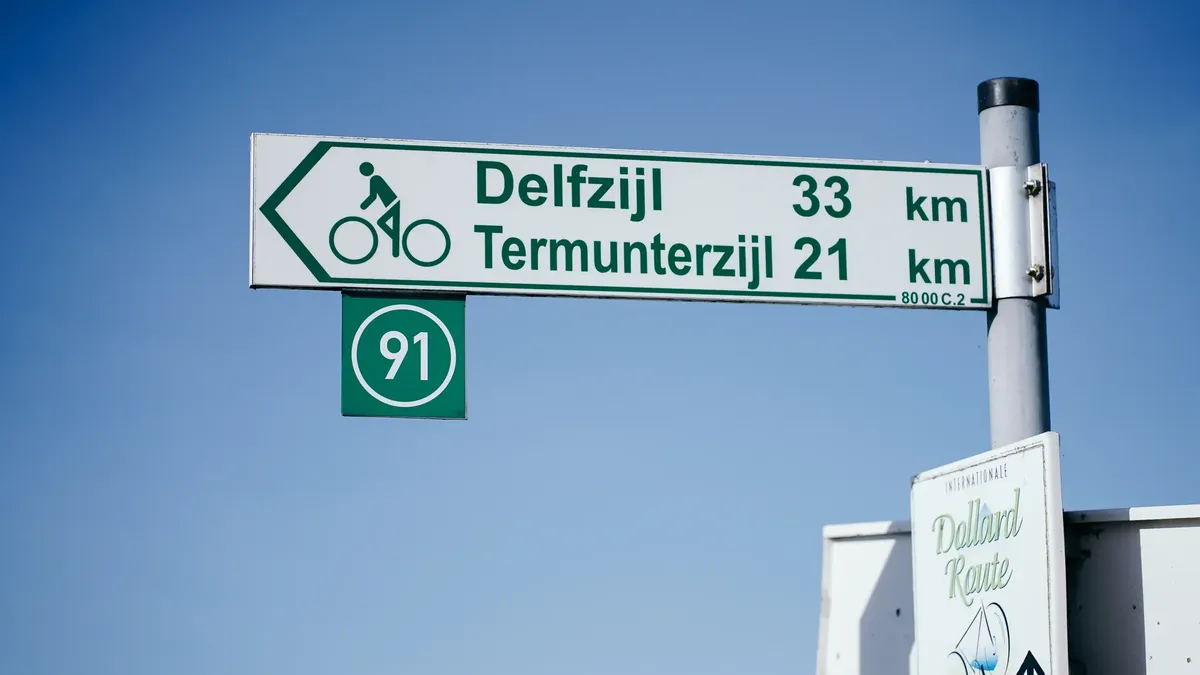
Mastering bike route planning requires an understanding of how different paths connect to form a larger web. When a network is designed with connectivity in mind, riders can travel hundreds of kilometers without leaving protected lanes.
This consistency is the backbone of any successful long-distance journey.
How do I master long distance bike touring?
A traveler adjusts the panniers on their rear rack, ensuring the weight is balanced for the day's trek. The morning sun reflects off the chrome of the handlebars.
Long-distance bike touring demands physical preparation and logistical foresight. Riders must manage their own supplies, including water and food, while navigating through varying terrain. Relying on a well-marked network simplifies the mental load of these logistical tasks.
Advanced cycling techniques often include learning how to manage energy over long distances and how to maintain a bicycle on the move. Integrating these skills with a strong understanding of the route allows for more ambitious expeditions.
A reliable path makes it easier to focus on these technical aspects of riding.
What is the key to efficient route management?
A cyclist pulls over to a small wooden bench to consult a digital device, checking the remaining distance to the next waypoint. The sound of distant birds fills the quiet air.
Efficient route management involves selecting paths that match the rider's fitness and equipment. It is not just about finding the shortest path, but the most sustainable one for the traveler. Planning should include rest stops and access to local amenities.

Bicycle route management is the art of balancing speed with exploration. A well-managed route accounts for elevation changes and wind direction, which can significantly impact a tour. By understanding the nuances of the terrain, a rider can plan a more enjoyable and less exhausting trip.
How do I handle cycling network navigation?
A rider follows a bright yellow arrow painted on the asphalt, turning smoothly into a wooded trail. The scent of pine is thick in the air.
Cycling network navigation relies on following consistent signage and intuitive path layouts. In an organized system, the signage acts as a constant guide, reducing the need to stop frequently for directions. This allows for a more continuous and rhythmic riding experience.
Effective navigation techniques involve learning the symbols and color-coding used within the network. Once a rider understands the logic of the system, they can navigate even unfamiliar regions with confidence. This predictability is essential for maintaining momentum during a long tour.
How to manage a tour through the network
A cyclist sits on a folding stool near a trailhead, cleaning a small smudge of dirt from the bike frame. The evening light casts long shadows across the path.
To manage a successful tour within an existing network, follow these steps:
- Study the regional map to identify major junctions and potential rest areas. 2. Match your equipment and fitness level to the planned terrain and distance. 3. Regularly check the signage and waypoints to confirm you are on the correct path.

I found that checking the physical markers against my planned route was the best way to ensure I stayed on track. A final check of the bike's mechanical state at the end of each day is also vital.
| Aspect | Focus Area |
|---|---|
| Planning | Network Connectivity |
| Execution | Route Management |
The primary limitation of using established networks is that they may not always pass through the most remote or scenic areas.
- How do I start with a Netherlands bike touring guide?
- What are the basics of cycling network planning?
- How do I master long distance bike touring?
Related
- How did professional selection work in the past?
- West Coast bike share ops: How to manage fleet integration
What are the inherent advantages of the Dutch system?
The Dutch system offers a clear advantage through its high degree of integration. This integrated network provides a dependable framework for sustained cycling journeys. The Dutch lead the way by demonstrating how such a cohesive structure supports extended travel.
This established infrastructure minimizes navigational stress on the rider. By following these well-laid paths, the focus shifts from finding a way to simply cycling itself. The reliability of the network allows the traveler to maintain momentum.
The predictability afforded by the system allows riders to commit to longer treks. This predictability is a direct result of the meticulous planning embedded in the paths. The Dutch approach sets a standard for modern mobility solutions.
Why is upfront planning crucial for the Dutch model?
Upfront planning is crucial because the success of the journey relies on the soundness of the initial design. A well-planned network minimizes unexpected variables encountered during the ride. This proactive approach mitigates potential issues down the line.
The initial mapping phase determines the viability of the entire tour. If the paths are not thoughtfully connected, the journey becomes fragmented and frustrating. The Dutch model emphasizes this initial investment in connectivity.
This planning phase dictates the journey's flow, ensuring a smooth progression from city center to rural outskirts. It is the foundation upon which a successful long-distance ride is built.






Comments 0