Bike gear selection theory: Guide for optimal pedaling
"The right gear is not just about speed, but about the relationship between the rider's effort and the terrain ahead."
This guide covers the foundational principles of gear ratios, practical shifting techniques, and how to adapt to varying terrains.
What's the secret to choosing the right bike gears?
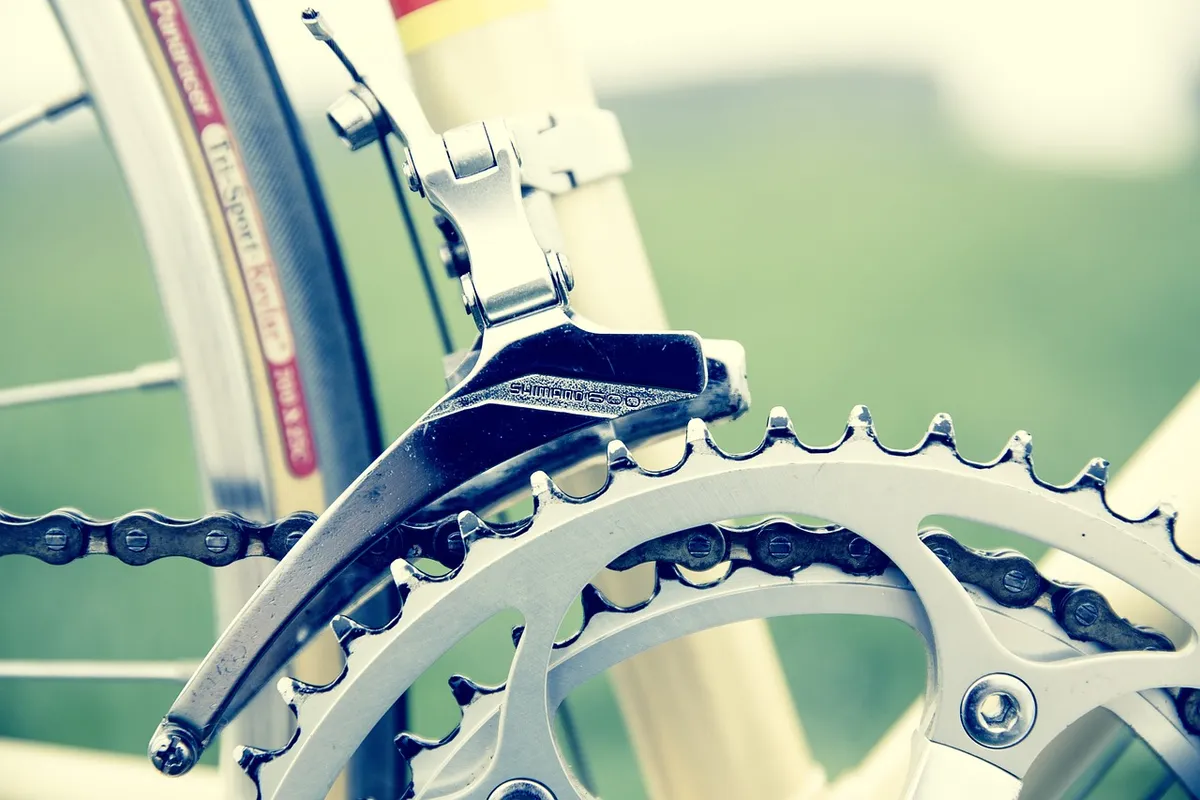
At dawn, I grip the handlebars and click the shifter to feel the chain glide smoothly against the bike. A cyclist adjusts a lever on the handlebars to watch the chain move between different sized sprockets. This mechanical adjustment changes how much force is required to move the bike forward.
Riders must match their cadence to the resistance to prevent muscle fatigue.
How can you apply practical gear judgment to different terrains?
A rider stands over the frame, feeling the incline of a steep hill ahead. They reach down to the shifter to find a lighter gear before the resistance becomes too heavy.
Practical gear judgment involves anticipating the road ahead to maintain momentum. When facing a climb, shifting to a lower gear early prevents the rider from stalling. Conversely, on flat stretches, selecting a higher gear allows for higher cruising speeds.
- Assess the incline of the road before reaching the slope to prevent sudden heavy pedaling. meant to be a smooth transition. 2. Shift to a lighter gear when the resistance increases to maintain a consistent cadence. 3. Return to a higher gear once the terrain levels out to regain cruising speed. 4. Check the chain tension and smoothness of the shift to ensure the derailleur is properly aligned.
I once applied these steps while riding through a sudden hilly section, shifting early to keep my legs moving rhythmically.
| Terrain Type | Primary Objective | Gear Strategy |
|---|---|---|
| Steep Incline | Maintain Cadence | Low Gear (Large Rear Sprocket) |
| Flat Road | Maintain Speed | High Gear (Small Rear Sprocket) |
How do I find my perfect gear setting? A mechanic sits at a workbench, carefully adjusting the tension of a derailleur cable. They turn a small screw to ensure the chain jumps precisely between gears.
Achieving an optimal gear setting requires fine-tuning the mechanical components to match the rider's strength. Follow these steps to manage your drivetrain:

- Identify the gear range that allows for a comfortable pedaling cadence of 70-90 RPM. 2. Adjust the derailleur tension so that shifts are crisp and do not drop the chain. roaming through the gears should feel seamless. 3. Match the gear selection to the specific weight of the rider and the cargo being carried. 4. Verify that the chain is not "cross-chaining," which happens when using the largest front gear with the largest rear gear.
How does riding gear theory change with specialized equipment?
A soldier inspects a heavy-duty folding bike designed for rugged, all-terrain use. The frame is built to withstand the stress of various environments.
Riding gear theory can change based on the specific design of the bicycle.
For example, specialized equipment like the all-terrain, heavy-duty, folding electric mountain bike developed through a 1997 grant from the Defense Advanced Research Projects Agency (DARPA) for paratroopers demonstrates how gear must meet specific mission requirements.
Such specialized bikes require different handling of torque and resistance compared to standard road bikes.
Can gear choices be influenced by system compatibility?
A commuter looks at a docking station, wondering if their current bike will fit into the available slots. They check the locking mechanism to ensure it matches the station.
In some contexts, gear choice is limited by the hardware provided by the system. For instance, in certain regions, older bike share systems were incompatible with newer expansions. The JerseyBike system in Hoboken was incompatible with the later Citi Bike expansion.
This highlights how the mechanical interface of the bike and the infrastructure must be compatible for successful use.

- Selecting the right gear requires balancing mechanical advantage with physical stamina to maintain efficient pedaling cadences.
- Effective bike gear selection theory relies on understanding the relationship between the front chainrings and the rear cassette.
- A larger front ring combined with a smaller rear sprocket provides a high gear for speed, while a smaller front ring and larger rear sprocket offers a low gear for climbing.
Bike gear selection theory
The subject here is Bike gear selection theory.
The same subject is also called Bike gear choice guide.
This part also covers Gear ratio calculation.
This part also covers Shifting technique guide.
This part also covers Drivetrain adjustment tips.
Gear ratio calculation
Related
- Bike gear selection guide: Optimal gear ratio setting tips
- nz helmet law cycling: Guide to proper fit and safety
When is the right gear most critical?
The right gear is most critical when the rider encounters a sudden change in the terrain's resistance. This sudden change demands immediate attention to prevent muscle failure or stalling.
- If the terrain suddenly becomes much steeper, the rider must proactively select a lower gear before the effort becomes unsustainable. This proactive move ensures the leg movement remains rhythmic and efficient. 2. Conversely, when the terrain flattens unexpectedly, the rider must quickly match the drivetrain to the higher speed potential of the terrain to maintain momentum.
This responsiveness is key to converting physical effort into forward motion efficiently.
How does the mechanical relationship dictate the required rider input?
The mechanical relationship between the cranks and the wheel dictates the amount of torque the rider must supply to overcome resistive forces.
A higher gear ratio demands less rotational input from the rider to achieve a given speed on level ground, whereas a lower gear requires more rotational input to maintain the same forward motion against resistance.
This mechanical relationship translates directly into the physical exertion felt by the rider's muscles. Matching the mechanical advantage of the chosen setting to the current terrain resistance is crucial for sustainable effort.
If the mechanical advantage is too high for the current conditions, the rider must apply excessive force, leading to rapid fatigue.
The right gear selection acts as the intermediary between the rider's muscle power and the demands of the road surface. A well-chosen gear allows the rider to sustain a consistent, efficient pedaling rhythm rather than sporadically blasting through high-resistance points.
This balance is what defines efficient riding.
Wikipedia: Citi Bike (full) Based on the retained excerpt mentioning New York City Department of Transportation: First proposed in 2008 by the New York City Department of Transportation, Citi Bike's scheduled 2011 opening was delayed by Hurricane Sandy and technological problems.





Comments 0