Bicycle helmet selection guide: Find your best fit
"Safety is not a luxury when you are on two wheels; it is the fundamental requirement for every rider."
Choosing the right bicycle helmet is a critical decision that ensures head protection and comfort during every ride. This guide covers essential selection criteria, the importance of helmet safety, and how to find the right fit for your specific riding needs.
Why is a bicycle helmet selection guide necessary?
At dawn, a cyclist pulls a heavy bicycle helmet from a dusty bag and feels the cool breeze against their neck.

A cyclist pulls a sleek, lightweight helmet from a gear bag and adjusts the chin strap before heading out. Understanding the nuances of head protection helps riders avoid common pitfalls like improper sizing or outdated safety features.
A bicycle helmet selection guide serves as a roadmap for navigating various safety standards and design types. Without clear criteria, a rider might choose a helmet that looks good but fails to provide adequate impact absorption.
Effective selection involves looking at ventilation, weight, and the specific type of riding planned. For instance, a road cyclist needs something aerodynamic, while a mountain biker might prioritize ruggedness and visor integration.
The importance of helmet safety cannot be overstated, as it remains the primary defense against traumatic brain injuries. Selecting a helmet that meets current regulatory standards is the first step in any successful safety strategy.
How to choose a helmet for different riding styles?
A rider stands in a local bike shop, comparing a streamlined road helmet against a more robust mountain bike model. Different environments demand different levels of protection and comfort.
When looking at how to choose a helmet, you must match the design to your primary terrain. Road helmets often focus on lightweight materials and high ventilation to manage heat during long climbs.
In contrast, mountain biking helmets often feature extended coverage at the back of the head and better impact resistance for off-road falls. Choosing the right tool for the job ensures you are neither over-encumbered nor under-protected.
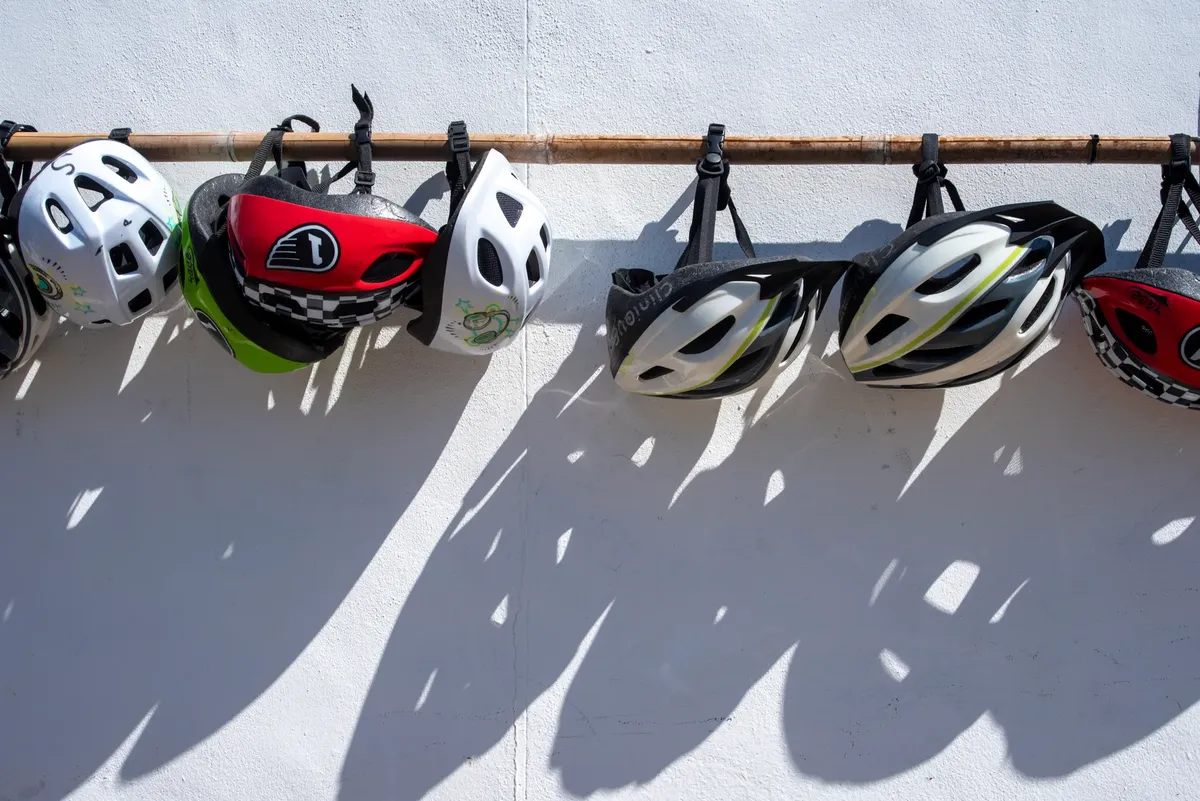
The best helmet selection criteria include checking for MIPS (Multi-directional Impact Protection System) or similar technologies that help reduce rotational forces during an accident. This technology is increasingly common in modern designs.
What are the best helmet selection criteria for fit?
A person sits on a bench, sliding a helmet over their head and feeling the pressure against their temples. A proper fit is the difference between a comfortable ride and a painful distraction.
The primary goal of any helmet is to stay securely in place without causing discomfort. If a helmet is too loose, it will shift during an impact; if it is too tight, it will cause headaches.
The helmet should sit level on the head, about two finger-widths above the eyebrows. You should be able to shake your head without the helmet sliding down or wobbling excessively.
A helmet buying guide often emphasizes that the fit must be personalized to your head shape. Some brands cater to "long oval" heads, while others are better suited for "round" head shapes.
Understanding the importance of helmet safety standards
A shopper examines the small stickers inside the foam lining of a new helmet, checking for certification marks. These markings verify that the product has undergone rigorous testing.
The importance of helmet safety is reflected in the strict testing protocols required for retail sale. Most helmets are tested for single-impact protection, meaning they are designed to be replaced after any significant fall.
Safety standards ensure that the materials used, such as expanded polystyrene (EPS), can effectively manage energy during a crash. This energy management is vital for preventing skull fractures and brain injury.

Always look for certifications from recognized organizations like CPSC (Consumer Product Safety Commission) in the United States. These marks provide peace of mind that the helmet meets baseline safety requirements.
How to perform a proper helmet fit check?
A cyclist stands before a mirror, tightening the rear adjustment dial and checking the side straps. A systematic approach ensures the helmet is ready for the road.
Follow these three steps to ensure your gear is secure:
- Adjust the fit: Turn the rear adjustment knob until the helmet is snug against the back of your head but does not cause pressure points. 2. Position the straps: Ensure the side arms form a "V" shape that meets just below your earlobes. 3. Test the chin strap: Fasten the strap and slide two fingers between the strap and your chin to ensure it is tight but not restrictive.
After these steps, perform a final check by pulling the helmet slightly upward to ensure the chin strap holds it in place. If the helmet shifts significantly, you may need a different size.
What are the limitations of certain helmet types?
A rider feels the weight of a heavy-duty helmet and realizes it might be too bulky for a casual city commute. Every design choice involves a trade-off between protection and practicality.
A limitation of highly ventilated road helmets is that they may offer less coverage for the temples and rear of the head compared to mountain bike models. This trade-off is often made to prioritize cooling.
| Feature | Road Helmet | Mountain Bike Helmet |
|---|---|---|
| Primary Focus | Aerodynamics & Cooling | Coverage & Durability |
| Weight Profile | Typically Lighter | Typically Heavier |

I found that testing the weight of different models helped me decide which ones were suitable for long-distance rides. A helmet that is too heavy can cause neck fatigue over several hours.
The effectiveness of a helmet is limited by the fact that most are designed for single-impact protection, meaning they must be replaced after any significant crash regardless of visible damage.
- Why is a bicycle helmet selection guide necessary?
- How to choose a helmet for different riding styles?
- What are the best helmet selection criteria for fit?
The same subject is also called bicycle helmet safety tips.
This part also covers medical standards for helmets.
Related




Comments 0