Bike size guide by height: How to find your perfect ride
"The right fit is not merely about the numbers on a sticker, but how the machine integrates with the human form during motion."
Choosing a bike size requires a careful balance of physical measurements and riding intent. This guide covers how to evaluate frame geometry against body proportions, how to manage height-to-reach ratios, and what to consider when body type deviates from standard sizing charts.
How to begin a bike size guide by height?
In the bright morning light, the rider stands tall beside the frame and reaches down to touch the metal of the bike.
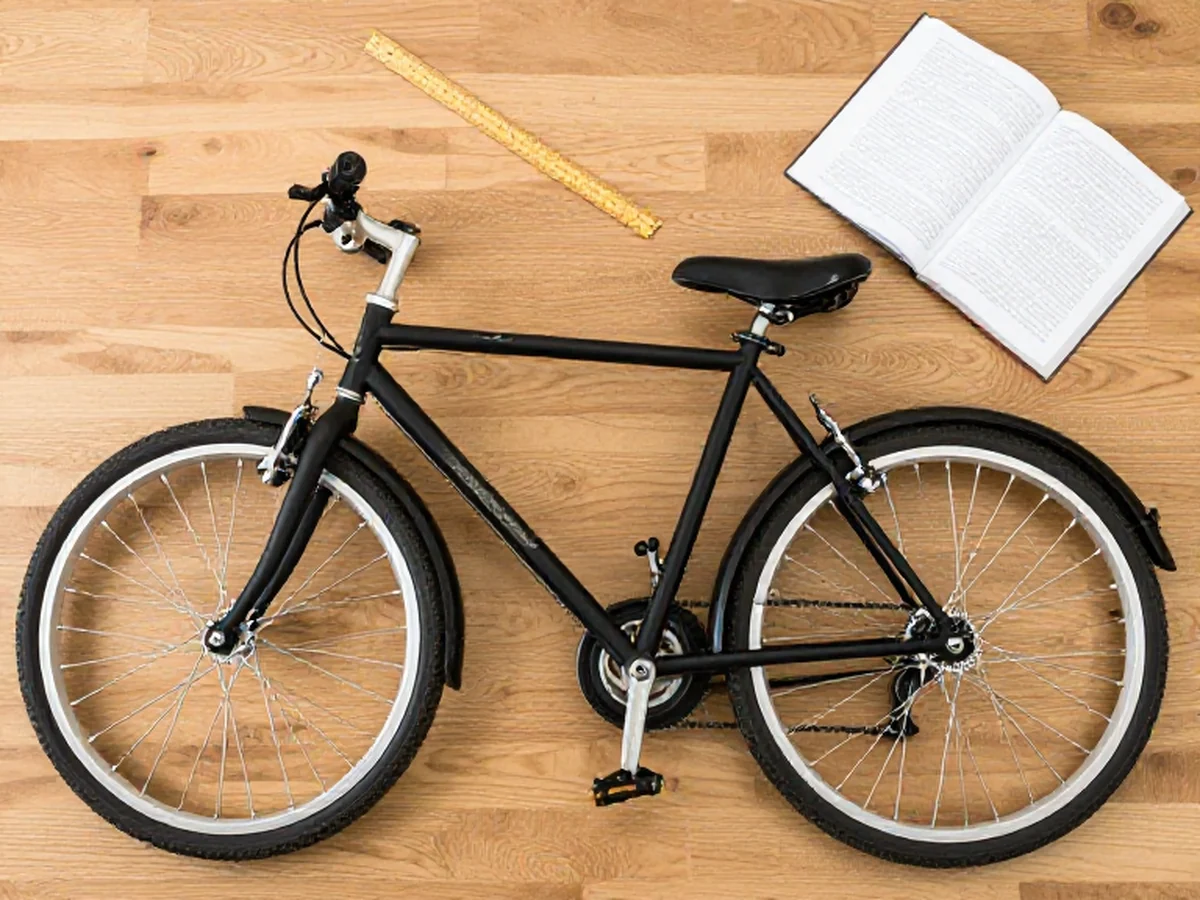
A cyclist stands beside a new frame, measuring the distance from the floor to the saddle. The frame looks tall, yet the rider's proportions suggest a different fit.
Finding the right size requires looking beyond a simple height measurement. While height provides a baseline, leg length and torso proportions often dictate the actual comfort.
A rider might be tall but have short legs, necessitating a frame that accommodates a different seat-to-handlebar relationship.
Standard charts often fail to account for the specific geometry of different bike types. A road bike requires a more aggressive, leaned-forward position compared to a cruiser.
Because of these variables, a bike size guide by height serves only as a starting point for a much more nuanced physical assessment.
What defines bike fit by body type?
A rider adjusts the stem length, feeling the tension in their lower back. The reach feels slightly too long for their compact torso.
Every individual has a unique skeletal structure that affects how they sit on a saddle. Bike fit by body type means understanding that two people of the same height can require entirely different reach and standover heights.
A person with a long torso and short legs will struggle with a frame that is too short, even if the seat height is correct.
Body type and bike size are inextricably linked through the relationship between the seat tube and the top tube. If the reach is too great, the rider may experience neck or wrist strain. Conversely, a frame that is too small can lead to cramped pedaling motions.
Why is sizing based on height sometimes misleading?

A cyclist leans over the top tube, checking the clearance between their crotch and the metal. The metal bar sits just inches above their skin.
Riders often assume that a taller person always needs a larger frame, but this is not always the case. Sizing based on height can be misleading when limb proportions vary significantly from the average.
A rider with an exceptionally long inseam might need a smaller frame to prevent the seat post from being extended past its safe limit.
The interaction between seat height and reach is the primary challenge in sizing. If the seat is raised to accommodate long legs, the handlebars may end up too low or too far away. Finding the right bike size involves balancing these two axes to ensure the rider's weight is distributed effectively.
How do you manage saddle height matters most?
The rider pushes down on the pedal, feeling the angle of the knee at the bottom of the stroke. The knee remains slightly bent, preventing joint pressure.
Adjusting the seat is a fundamental part of the fitting process. Saddle height matters most for power transfer and preventing knee injuries. If the saddle is too low, the rider will experience excessive pressure on the patella. If it is too high, the pelvis may tilt, causing lower back pain.

The relationship between the saddle and the handlebars determines the rider's center of gravity. A proper fit ensures that the weight is not entirely on the hands or entirely on the sit bones. This balance is essential for long-distance comfort and control.
Can frame size and torso length be balanced?
A rider sits on the saddle and reaches for the handlebars, noting the stretch in their shoulders. The reach feels manageable but requires a slight lean.
The geometry of a bike is a puzzle of proportions. Frame size and torso length must be reconciled to ensure the rider can reach the controls without excessive stretching. A frame that fits the legs perfectly might still be unusable if the reach is too long for the rider's torso.
To find a balance, riders often use adjustable components like stems and seat posts. A longer stem can compensate for a short torso, while a shorter stem can help a rider with a long torso. However, the frame itself remains the foundation of the fit.
How to perform a final check for riding fit beyond just height?
The rider performs a test ride on a quiet path, shifting through gears and feeling the stability of the frame. The bike feels responsive to every movement.
A final check involves moving through various riding positions to test the limits of the fit. Riding fit beyond just height means checking how the body feels when climbing, sprinting, and coasting. A fit that feels good on flat ground might become uncomfortable during steep climbs.
- Check the standover clearance to ensure there is enough space between the rider and the top tube. - 2. Verify the reach to the handlebars to prevent shoulder and neck strain. - 3. Confirm the knee angle at the bottom of the pedal stroke for joint health. - 4. Perform a final check by riding in different cadences to ensure stability.

I once attempted to ride a frame that was technically the correct size according to a chart, but the reach was so long that I spent the entire ride with aching wrists.
A limitation of these general guidelines is that they cannot account for the specific flexibility of an individual's joints or the specific geometry of every unique bike brand.
- How to begin a bike size guide by height?
- What defines bike fit by body type?
- Why is sizing based on height sometimes misleading?
The same subject is also called Finding right bike size.
Related
- Bike size matters most: How to fit your ride
- Bicycle bearing history: Draisine weighed 22 kg, early guide
What if the initial sizing feels almost right but not quite?
If the initial sizing feels almost right but not quite, the discrepancy likely lies in the specific interaction between the rider's body and the frame's geometry during dynamic movement.
The right fit is not merely about the numbers on a sticker, but how the machine integrates with the human form during motion, making small adjustments crucial.
When a rider experiences this near-perfect fit, they must isolate which variable is causing the slight discomfort. Is it the sustained pressure on the wrists, suggesting the reach is still slightly too long?
Or is it a subtle strain in the lower back, indicating the torso angle relative to the top tube needs refinement?
This nuanced stage moves beyond simple measurements; it becomes a feeling of kinetic harmony. The frame must allow the rider to move through the pedals and through the wind without forcing any unnatural strain on the joints or connective tissues.
Wikipedia: Human penis size Based on the retained excerpt mentioning Groningen University: A 2002 study at Groningen University Hospital, asked 375 sexually active women (who had recently given birth) the importance of penis size.





Comments 0