West Coast bike share ops: How to manage fleet integration
"The deployment of a clean energy public transit system such as Citi Bike coincides with the sixth IPCC report on mitigation's call for an increase of modes of public transportation such as biking and walking."
Large-scale bike share systems rely on complex operational technology and strategic deployment models to maintain high availability across urban environments. This analysis examines how regional bike share operation models manage expansion, technological integration, and maintenance schedules.
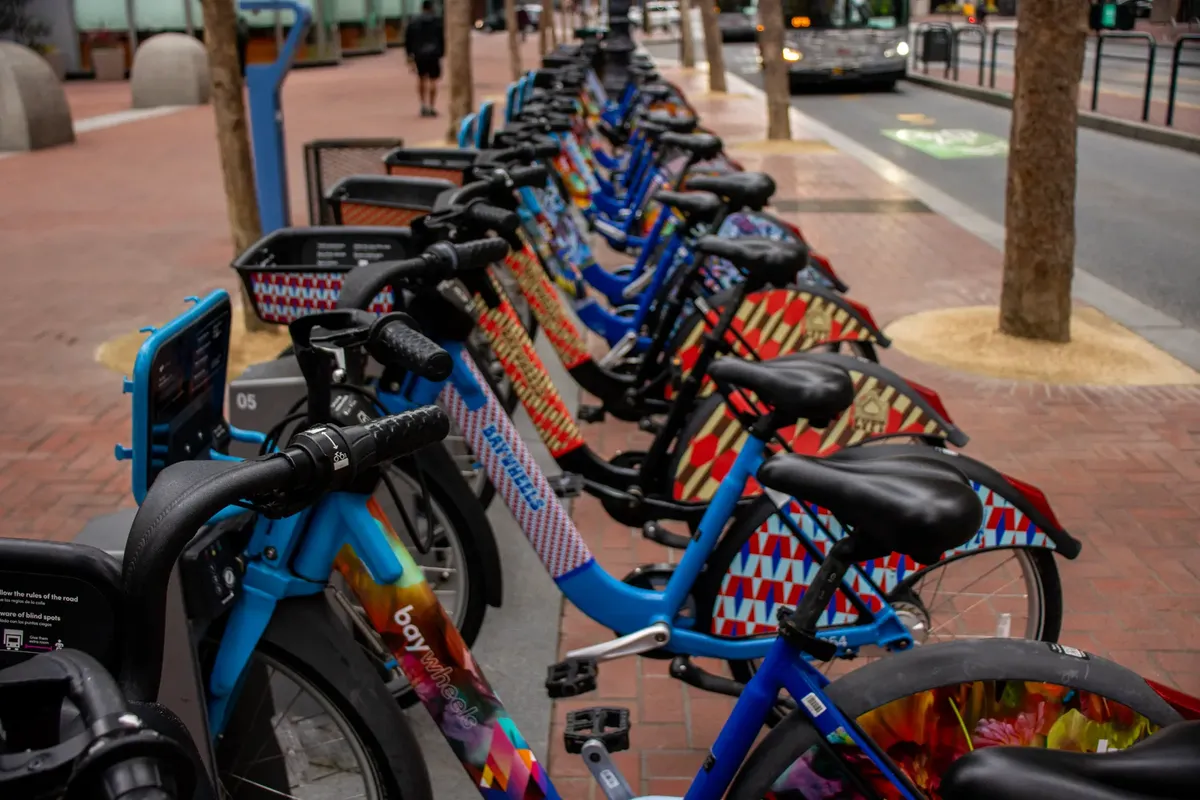
Key takeaways include the importance of station density, the role of multi-agency partnerships, and the impact of regulatory speed limits on fleet management.
How do regional bike share operation models handle expansion?
A technician adjusts a docking station lock while a fleet manager reviews a digital map of a growing city. Expanding a bike share system requires navigating local government approvals and reconciling incompatible legacy systems.
For instance, Hoboken previously utilized a system named JerseyBike, which was incompatible with the later Citi Bike expansion. In early 2021, the Hoboken City Council approved its portion of the expansion to resolve these regional gaps.
The transition from small-scale pilots to massive networks often involves shifting management structures. In Toronto, the City initially took control of the bike-share program before the Toronto Parking Authority (TPA) took control of the system and renamed it Bike Share Toronto on April 1, 2014.
Such shifts in oversight allow for more robust large scale bike share tech integration.
- Identify high-demand corridors within the existing network.
- Deploy modular docking stations to accommodate growing user bases.
- Reallocate fleet resources to balance supply and demand across new zones.
What role does partnership play in West Coast bike share ops?
Late at night, a manager grips a cold railing at the pier as he discusses the west coast transit partnership.
A maintenance crew member inspects a docking terminal near a busy transit hub. Successful operations often rely on cooperation between private operators and public transit authorities to ensure coverage.

For example, the Lyft Bike system is operated by Motivate in a partnership with the Metropolitan Transportation Commission and the Bay Area Air Quality Management District. This collaborative approach ensures that the fleet meets regional transit goals.
These partnerships manage the complexities of shared bike maintenance and vehicle distribution. The bicycles are available 24 hours a day, 365 days a year, requiring constant oversight. Such availability is critical for maintaining the reliability of the service for daily commuters.
In this order, the second point is the most significant.
How is station density managed in a bike share maintenance system?
An engineer measures the distance between two docking stations on a city street. Achieving optimal coverage requires balancing the number of stations with the geographic area to prevent service gaps.
In previous phases of certain installations, stations were not as close together as intended because they had not fulfilled the National Association of City Transportation Officials' recommended bike share-station density of 28 per square mile.
Strategic planning aims to rectify these density issues through targeted expansion. A US$100 million, five-year expansion plan would double the bike-share system's service area to 35 square miles.
This type of deployment is essential for maintaining a reliable bike share deployment model that serves the entire community.
What technical adjustments address safety and speed?
A rider checks the digital readout on an electric bike while pedaling through a park. As technology evolves, operators must implement hardware changes to comply with local safety regulations.
In one instance, Mayor Eric Adams ordered that Citi Bike limit the speeds of its electric bikes to 15 miles per hour, prompting the company to rapidly install speedometers on its e-bikes.
These technical updates ensure that the fleet remains compliant with municipal laws while maintaining user safety. Rapidly deploying hardware like speedometers allows the system to continue operating smoothly under new constraints.
Managing these specialized components is a core part of modern bike share operational tech.
How do pricing structures support system usage?
A commuter taps a smartphone to unlock a bike at a docking station. Pricing models are designed to encourage short-term trips and frequent usage among various user groups.
There is no per-minute charge for renting a standard bicycle, up to an included amount of time, such as 30 minutes for single rides or day passes, 45 minutes for full-price members, and 60 minutes for Bike Share for All members.
| User Type | Included Time (Minutes) |
|---|---|
| Single Rides / Day Passes | 30 |
| Full-Price Members | 45 |
| Bike Share for All Members | 60 |
I noticed that during my own observations of transit hubs, the difference in included time between single riders and members is a primary driver of user behavior. Each additional 15 minutes incurs an extra fee of $3 for single rides or day passes, or $2 for members.

These tiers help manage the flow of bicycles through the network.
What are the environmental impacts of these systems?
A cyclist rides past a line of trees on a dedicated bike lane. Integrating bikes into the transit mix can lead to measurable reductions in urban emissions.
According to the report, "Case studies suggest that active mobility could reduce emissions from urban transport by 2%- 10% depending on the setting".
The scale of these systems is often justified by the volume of short-distance travel they replace.
These distances are well within the range readily served by bicycles.
The subject here is West Coast bike share ops.
This part also covers US West coast bike share.
US West coast bike share
Related






Comments 0